30,000+hours
building, researching & advising
Building taught me how decisions behave in the real world. Scholarship taught me to question what experience alone can make feel certain.
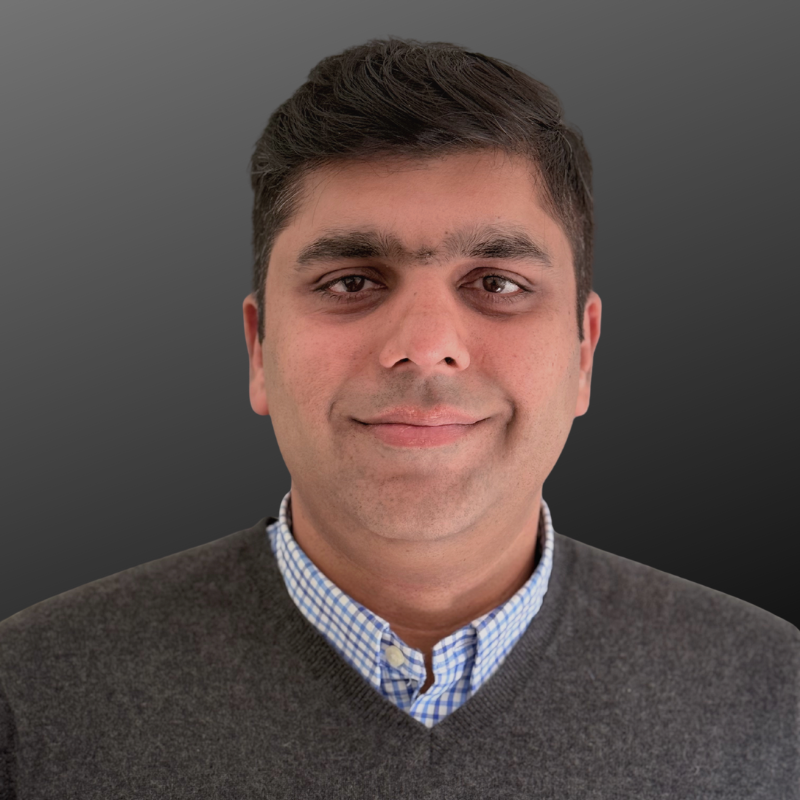
I did not begin with a framework. I began with a contradiction.
Ventures with talent, capital and momentum struggled to make durable progress, while others grew stronger under equally uncertain conditions. What separated them?
Building companies made the question impossible to ignore. Doctoral research gave me the tools to examine it.
building, researching & advising
founding experience across success and failure
academic and industry citations
Management research into funding and uncertainty
Each one comes from building, from research, or from both.
Well-funded ventures stall. Leaner ones compound. My doctoral research on seed-stage funding traced the difference to trust, rules and institutions, not capital.
Scaling Omnicore and a private portfolio of ventures meant hiring, governance and changing markets at once. The ventures that did not survive proved the same lesson from the other side.
Progress depends on which term is binding, not on how hard everyone pushes. That idea became the Entrepreneurial Efficiency Equation.
My doctoral research studied how founders decide under uncertainty. Building through changing markets taught the practical side: the edge goes to the venture that can change course, not the one that forecasts best.
Identify what truly drives the outcome before accepting the obvious explanation.
Find where the system breaks, not only where the symptom appears.
Use evidence rigorously without pretending uncertainty has disappeared.
Design the structures that must hold as the venture grows larger and faster.
A diagnostic for identifying the internal drivers and external frictions shaping venture progress.
Read the frameworkA crowdfunding ecosystem model for founders, investors, and policymakers in developing economies.
Explore the researchA practical roadmap for choosing and building a career in digital marketing.
View the bookGood thinking should leave a founder with more agency, not more dependence.
Show the reasoning.
Name the uncertainty.
Design the next move.
A monthly note on founder judgement, structural constraints, and building companies that remain coherent as they change.